The ink on an international treaty does not just represent legal text. To the shopkeeper in Tehran watching the inflation charts, or the factory worker in Ohio wondering if global trade routes will remain open, that ink represents predictability. It is a fragile shield against chaos. When global leadership treats that shield like a dry-erase board, rubbing out commitments on a whim, the psychological fallout stretches far beyond the halls of parliament.
Geopolitics is often analyzed through the cold lens of strategy, troop movements, and economic sanctions. We forget that it is driven by human ego, public posturing, and the desperate need to save face.
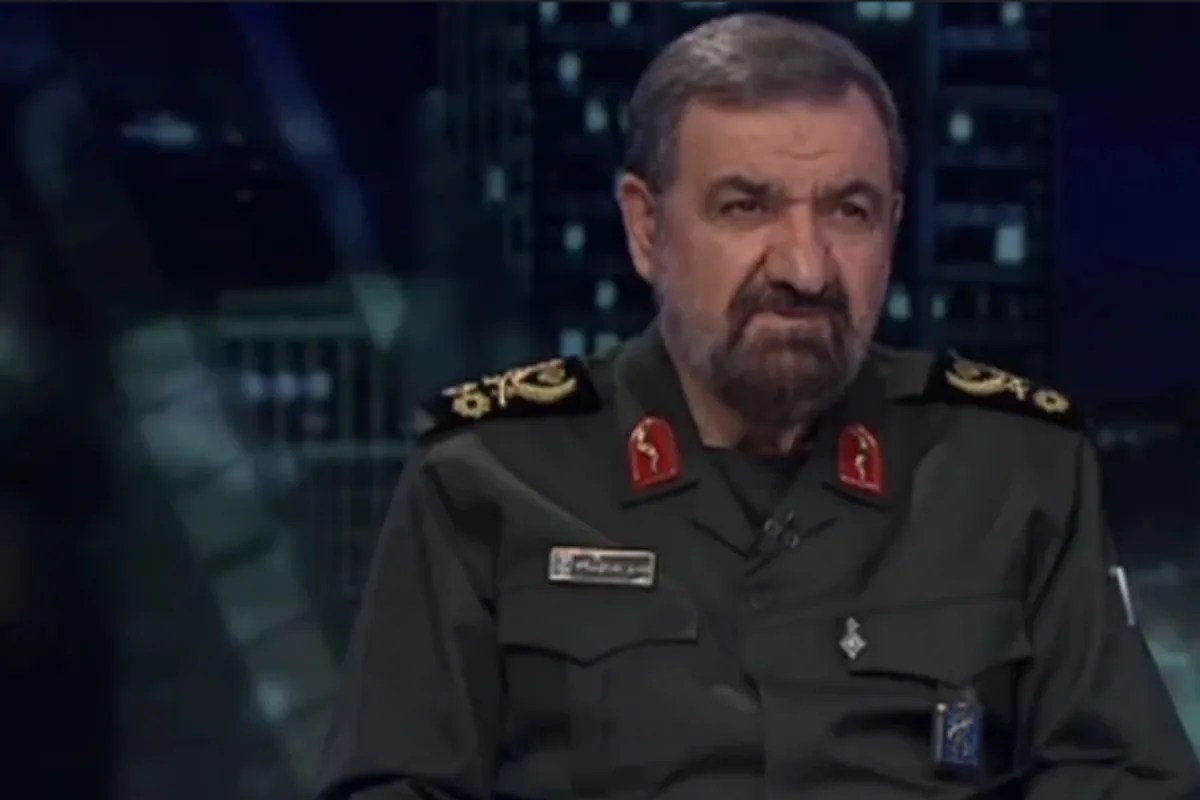
The latest friction point between Washington and Tehran highlights this perfectly. Iran recently launched a sharp rhetorical counteroffensive against Donald Trump’s shifting stance on negotiations. The core of their argument was not a dense legal rebuttal. It was a psychological critique. They claimed the American leadership sets its own deadlines, creates its own crises, and then quietly steps back when called out.
It is the political equivalent of a schoolyard dare where the instigator keeps moving the goalposts.
The Anatomy of the Bluff
To understand why this pattern repeats, we have to look at the mechanics of the political U-turn. High-stakes diplomacy requires a level of predictability. When a nation states its position, allies and adversaries alike calculate their risks based on that statement.
Imagine a game of chess where one player suddenly decides the knight can move in a straight line, only to revert to the standard L-shape three moves later because the board got too complicated. The opponent stops playing the game of chess. They start playing the man across the table.
Iran's recent public statements suggest they have stopped looking at the policy and are now focusing entirely on the behavioral pattern of their adversary. By publicly mocking the tendency to set arbitrary deadlines and then retreat from them, Tehran is attempting to strip away the element of intimidation.
Power is a projection. If an adversary convinces the world that your threats come with an expiration date you will inevitably extend, the threat loses its edge.
This is not a defense of Iranian foreign policy, nor is it an endorsement of Western strategy. It is an observation of a broken feedback loop. When threats become cyclical, they turn into background noise.
The Human Cost of Unpredictability
Behind the fiery speeches and diplomatic cable leaks are ordinary lives caught in the crossfire of economic uncertainty. When a superpower shifts its stance rapidly, markets react. Currencies fluctuate.
Consider a hypothetical family running a small import business in a middle-income nation caught between these trading blocs. They cannot plan a budget for six months from now because they do not know if a sudden executive order or a reactionary tweet will freeze their supply lines. They live in a state of permanent hyper-vigilance.
This uncertainty breeds a specific kind of fatigue.
The international community thrives on agreements that outlast administrations. When policy becomes hyper-personalized—tied strictly to the unpredictable whims of a single leader rather than institutional consensus—foreign policy degenerates into theater.
Tehran's counter-strategy has shifted from panic to public exhaustion. By framing the American approach as a series of self-imposed deadlines that collapse under their own weight, they seek to neutralize the economic anxiety within their own borders. They are telling their populace, "Do not panic; this is just a pattern we have seen before."
Moving the Goalposts as Strategy
There is a school of thought that views unpredictability as a tactical advantage. The idea is simple: keep your opponent guessing, never let them know your true bottom line, and maximize your leverage by appearing willing to walk away at any moment.
But this strategy has a fatal flaw. It assumes the other side will always scramble to keep you at the table.
What happens when the other side decides to simply pull up a chair, pour a drink, and wait for you to tire yourself out?
That is the current diplomatic stalemate. The rhetorical war of words over who backed down first reveals a deeper truth about the limits of maximum pressure campaigns. Pressure only works if the target believes there is a viable path to relief. If the conditions for that relief change every few weeks based on domestic political calculations, the incentive to negotiate evaporates.
The rhetoric coming out of Iran signals a calculated gamble. They are betting that the domestic political pressures within the United States will ultimately force a resolution, or at least a stabilization, making the current threats hollow.
The Illusion of Control
We often trick ourselves into believing that global events are guided by master plans executed with surgical precision. The reality is far messier. It is a series of reactions to reactions, a chaotic spiral where saving face often takes precedence over long-term stability.
Setting a firm deadline is an easy way to command a news cycle. It projects strength. It signals to a domestic audience that you are taking charge of a narrative. But a deadline is a ticking clock that binds the person who set it just as tightly as the person it is aimed at. When the clock strikes midnight and nothing happens, the illusion of control shatters.
The international community watches these exchanges with growing weariness. Allies are forced to hedge their bets, quietly building alternative diplomatic and economic pathways that do not rely on the volatile shifts of a single nation's internal politics.
The real casualty in this cycle of U-turns and public recriminations is the concept of deterrence itself. When red lines are drawn in sand and washed away by the next tide of political convenience, the lines cease to exist.
The world becomes a place where everyone is guessing, no one is listening, and the quiet, steady work of building sustainable peace is replaced by the loudest voice in the room, shouting at a clock it wound up itself.