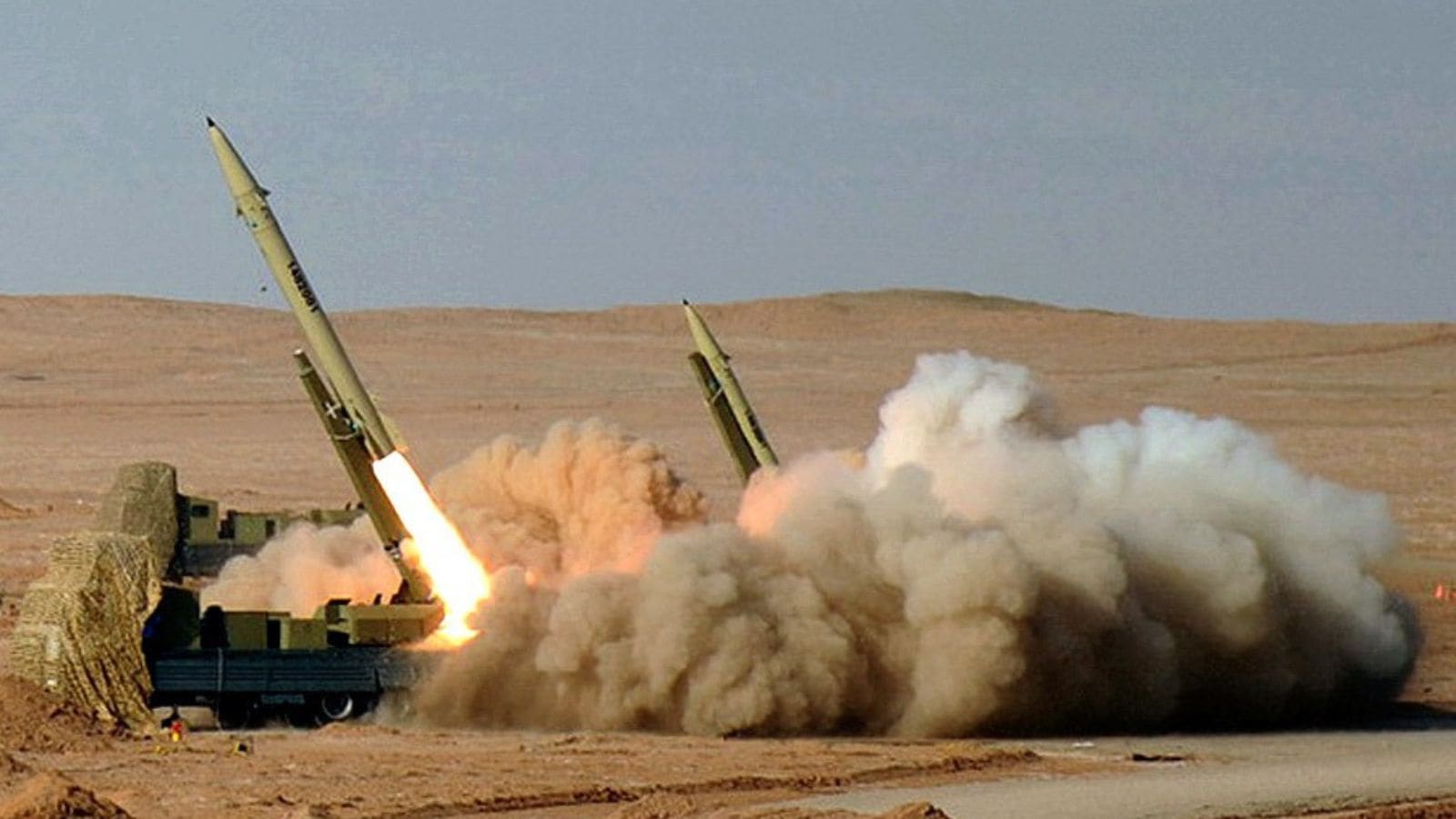
The White House declarations were absolute. Within weeks of intensified regional operations, public statements claimed that Iran's air force, navy, and air defenses were entirely wiped out. Yet, the strategic reality changed overnight when the administration quietly admitted that the United States had actually left their military alone in key operational theaters. This sudden shift highlights a persistent gap between wartime rhetoric and the structural permanence of state militaries. Total destruction of a deeply entrenched nation-state military is rarely accomplished by air blockades or targeted surgical strikes alone.
A closer look at the actual engagement reveals that while tactical damage was inflicted, the core of Iran's conventional and asymmetric forces remained largely intact. Military power is not merely a collection of hardware that can be erased in a brief campaign.
The Illusion of Total Elimination
Wartime messaging often requires clear, decisive victories to satisfy domestic audiences and project absolute dominance abroad. Claiming that an adversary is completely destroyed serves as a powerful psychological tool. It is designed to force a surrender or compel the target country to accept unfavorable terms at the negotiating table.
The problem arises when the physical infrastructure on the ground contradicts the political narrative. A modern state military relies on decentralized command networks, underground facilities, and mobile assets. Air superiority can suppress movement, disrupt logistics, and destroy visible naval vessels in narrow waterways like the Strait of Hormuz. It cannot, however, vaporize tens of thousands of hidden mobile missile launchers, dug-in coastal artillery, or deeply buried command bunkers.
When the administration altered its stance to declare that the military was left alone, it was not an admission of operational failure. It was a concession to physical reality. To truly neutralize a state military requires an all-out, multi-domain ground invasion and long-term occupation. Lacking the political will or strategic necessity for such an escalation, containment became the pragmatic choice masquerading as a tactical pivot.
The Architecture of Asymmetric Resilience
The survival of Iran's military capabilities is built on decades of preparing for exactly this type of lopsided conflict. Knowing they cannot match Western forces in a conventional, symmetrical engagement, their leadership structured their forces around regional denial and strategic survival.
Subterranean Networks
Significant portions of the country's ballistic missile programs and drone manufacturing lines are housed in vast networks of underground tunnels. These missile cities are carved deep into mountain ranges, making them largely impervious to standard conventional bombardment.
Decentralized Command
The command structure is explicitly designed to function even if central leadership communications are severed. Local units have the authority to execute pre-planned retaliatory strikes independently.
Mobile Assets
Instead of relying on large, easily targeted warships, the naval strategy focuses heavily on hundreds of fast-attack craft, sea mines, and mobile anti-ship cruise missiles launched from commercial trucks along a rugged coastline.
Because these assets are small, numerous, and easily camouflaged, an attacking force faces a severe intelligence and targeting bottleneck. You cannot destroy what you cannot find, and tracking every single mobile launcher across rugged terrain is an operational impossibility.
The Cost of the Disconnect
When strategic communications sway wildly between total victory and strategic avoidance, international credibility suffers. Allies relying on precise intelligence find themselves off-balance, while adversaries learn to read the rhetorical fluctuations as signs of shifting political resolve.
The shift from claiming total destruction to admitting the military was left alone reveals the limits of coercion. Sanctions and air power can isolate an economy and degrade surface infrastructure, but they do not automatically dissolve a nation's capacity to project force or defend its borders. Hard power is stubborn, and treating its elimination as a foregone conclusion usually ensures a confrontation with reality.