A ritual walk turned into a scene of utter devastation on a rural highway in northeastern Thailand. A single file line of Buddhist monks, draped in bright orange robes, was pacing quietly along the dirt shoulder of a road in Mukdahan province. They were just 30 minutes into a 260-kilometer religious pilgrimage toward neighboring Ubon Ratchathani.
Then came the roar of an out-of-control pickup truck.
Within seconds, nine monks were dead and over a dozen more lay scattered across the asphalt with catastrophic injuries. The driver behind the wheel of the massive steel truck wasn't a drunk motorist or a reckless street racer. It was an 11-year-old child.
This horrifying incident highlights a brutal reality that locals and expats in Thailand know all too well. The country has a severe, institutionalized crisis when it comes to traffic safety, vehicle access, and rural law enforcement.
Blood on the Sacred Walk
The pilgrimage group consisted of 35 monks and five lay followers. They were practicing a deeply revered Buddhist tradition, walking peacefully to pass on teachings and collect alms from local villagers.
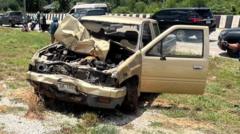
Surviving witnesses reported seeing the pickup truck swerving wildly in the distance before it slid entirely off the roadway, plowing directly into the center of the single-file line at full speed.
"At that moment I was chanting 'Buddho, Buddho' (a meditation mantra)," recounted Phra Sompong, a monk who narrowly escaped death by leaping into the brush. "Then suddenly the truck hit at full speed and crashed us. Luckily, another monk and I managed to jump out of the way. The first nine monks in line survived. But others who were hit were thrown into the air."
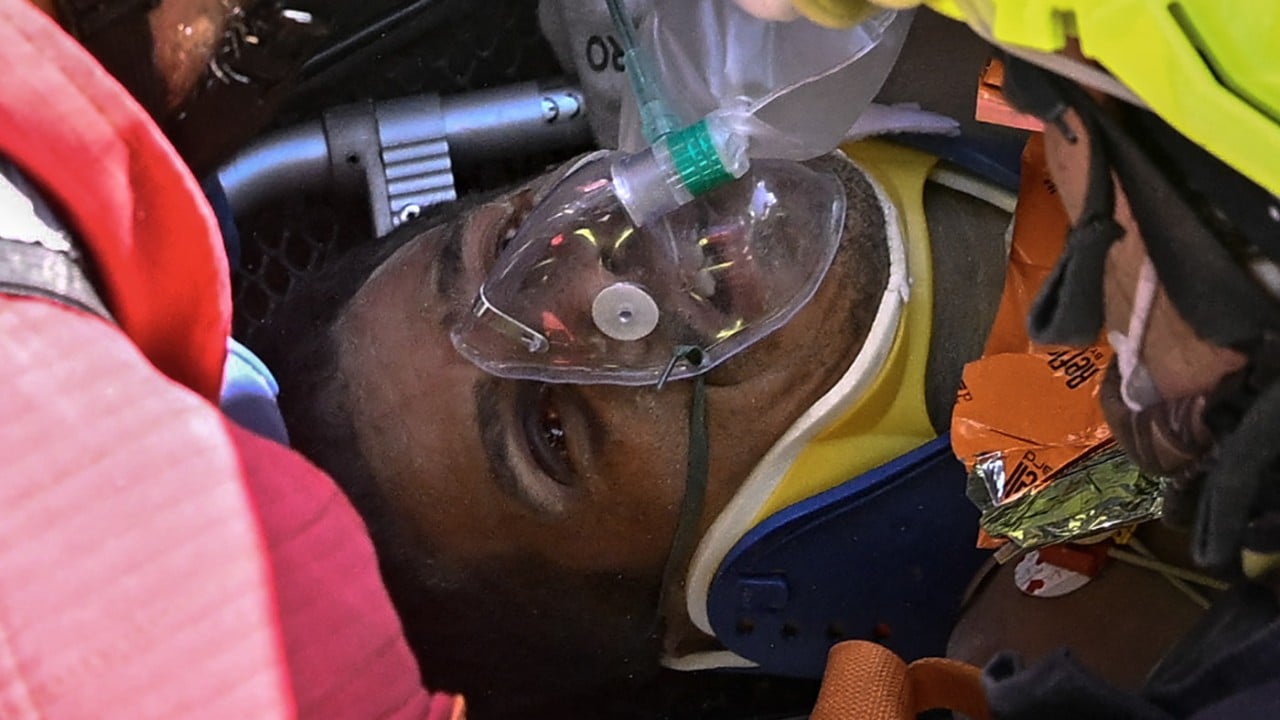
Five monks died instantly where they stood. Four others succumbed to their wounds after being rushed to Mukdahan Hospital. Emergency responders from the Ruam Jai Mukdahan Rescue Association described the scene as pure chaos, with religious artifacts, alms bowls, and blood covering the roadside. Another 13 monks remain hospitalized, with at least three clinging to life in critical condition.
An Unregulated Underage Car Theft
How does a child who hasn't even hit middle school end up piloting a multi-ton pickup truck down a provincial highway?
According to Mukdahan Provincial Police Chief Major General Pairoj Thaiphutra, the boy has special needs and had stayed home from school that day because he felt unwell. Left alone, he managed to secure the keys to his parents' truck without their knowledge or permission.
He didn't just drive around the block. The child managed to navigate the vehicle for roughly 10 kilometers (6 miles) through rural traffic before completely losing control.
Right now, the boy is in custody but hasn't been formally interrogated. Police are waiting for state child protective services and psychological experts to arrive to guide the questioning, as the child is reportedly in a severe state of shock. While the legal driving age for a car in Thailand is 18, no charges have been filed yet while authorities sort out parental accountability.
Mukdahan Governor Worayan Bunnarat quickly called a press conference, stating that this absolute nightmare must serve as a harsh public lesson for parents nationwide regarding the storage of vehicle keys and the supervision of minors.
The Blind Spot in Global Road Safety
To outsiders, an 11-year-old driving a truck sounds like a freak, one-in-a-million anomaly. To anyone who has lived in rural Thailand, it's just another Tuesday.
The World Health Organization consistently ranks Thailand's roads among the deadliest in Asia and the entire world. While speeding and drunk driving account for the vast majority of fatalities, underage driving is an open secret that the government continuously fails to police.
Go to any rural province in Isaan, and you'll regularly see 10- or 12-year-olds driving scooters, farming tractors, and family pickups to help with chores or run to local markets. Police checkpoints rarely exist on the minor rural roads connecting these villages, and when they do, a small fine or a warning is usually the only consequence.
This creates a cultural environment where vehicles are treated more like basic household appliances than deadly machines. Combined with the common practice of installing heavy window tints—making it almost impossible for pedestrians or other drivers to see who is actually behind the wheel—you have a recipe for mass casualty events.
The Immediate Next Steps for Communities
Tragedies like this won't stop until systemic cultural habits change from the ground up. If you operate a vehicle or manage a household in regions with loose traffic enforcement, immediate adjustments are necessary to prevent similar disasters.
- Secure physical access to keys: Treat vehicle keys like firearms or dangerous medications. Do not leave them on open counters or key hooks where children, vulnerable family members, or individuals with cognitive differences can access them without supervision.
- Establish local pilgrimage safety protocols: When religious processions or community walks take place, organizers must coordinate with local police to secure a lead and rear escort vehicle with flashing hazard lights. Relying entirely on motorists to see pedestrians on a highway shoulder is no longer safe.
- Report underage operators immediately: If you see children operating heavy machinery or full-sized vehicles in your neighborhood, report it to village heads or local authorities before an accident occurs, rather than dismissing it as a routine part of rural life.